
Clinical platform
Designed for the realities of care.
A technology's promise must translate into a real care environment. CHP's model brings clinical, operational, technical and commercial perspectives into the evaluation and deployment journey.
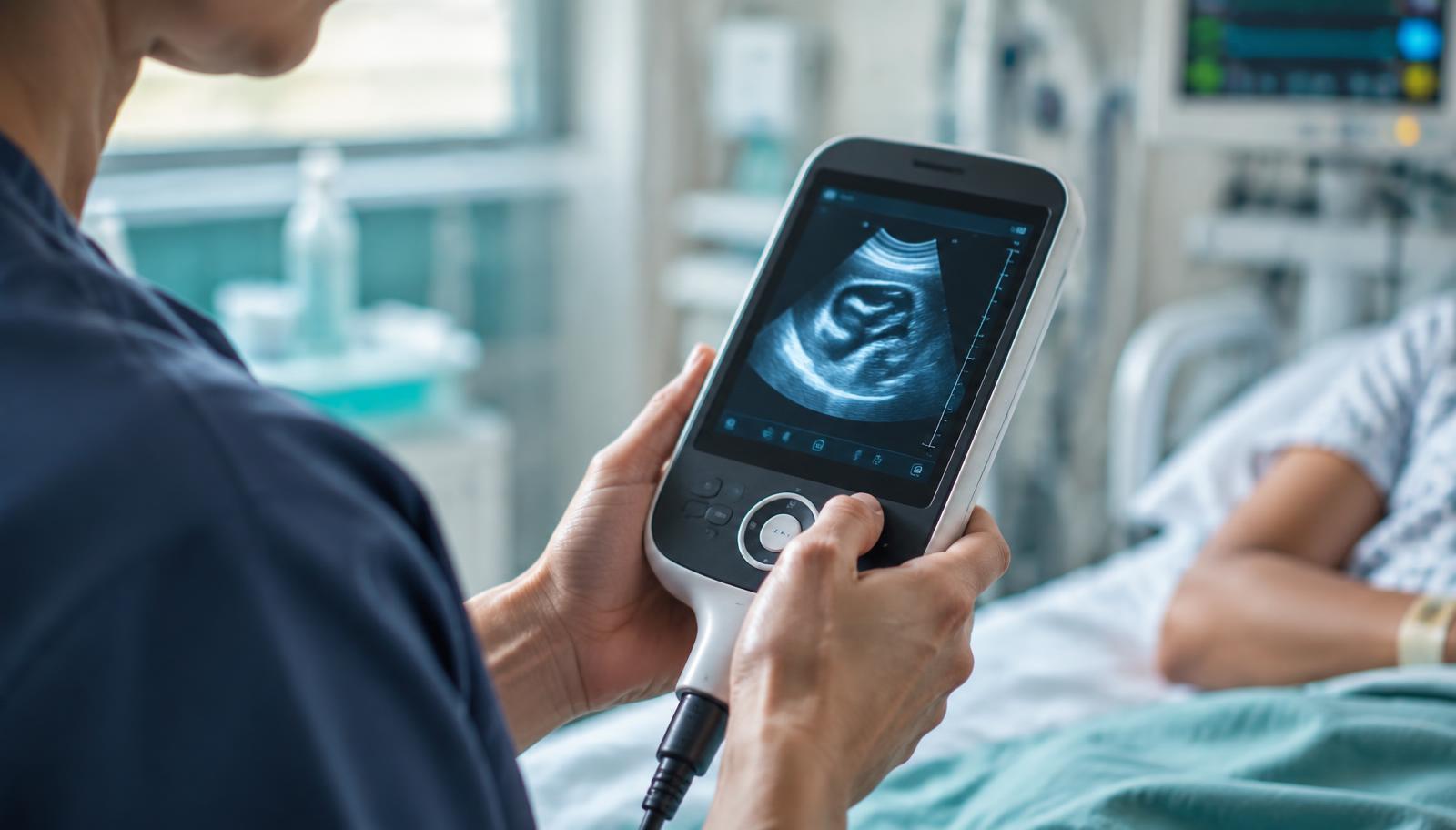
Intended capability model
Six perspectives on whether a technology can work in practice.
This describes the capability model the platform is being built around. It is not a statement that CHP employs every discipline or operates every facility.
Clinical expertise
Consultants, specialists, surgeons and primary-care perspectives.
Operational expertise
Nursing, allied health, clinical operations, quality and safety.
Technical infrastructure
Laboratory and imaging perspectives, digital platforms and data analytics.
Commercial pathways
Procurement, payer engagement, distribution and strategic partnerships.
Regulatory and policy insight
Compliance, reimbursement, market access and the policy lifecycle.
Regional deployment
Matching technology to the realities of healthcare delivery across target GCC markets.
Responsible validation
Permissions come first.
Any clinical evaluation would require the relevant institutional, ethical, regulatory and data-governance permissions. An initial discussion with CHP is not a guarantee of pilot access, investment or deployment.
We describe clinical validation as a structured way to build evidence and inform decisions. It does not eliminate clinical, implementation or investment risk, and it does not imply access to patient data.